The History and Enduring Appeal of the Navette Style Ring

The navette style ring is one of the most elegant and enduring designs in the history of jewellery. Instantly recognisable by its elongated, boat-like shape, the navette ring has captivated collectors and jewellery lovers for centuries. Combining visual drama with refined craftsmanship, it remains just as appealing today as it was when it first emerged.

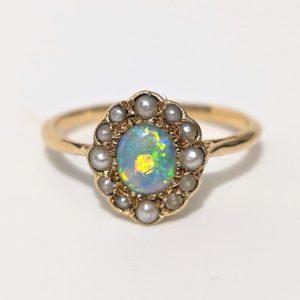
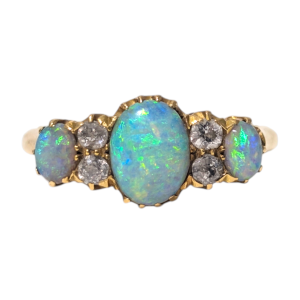
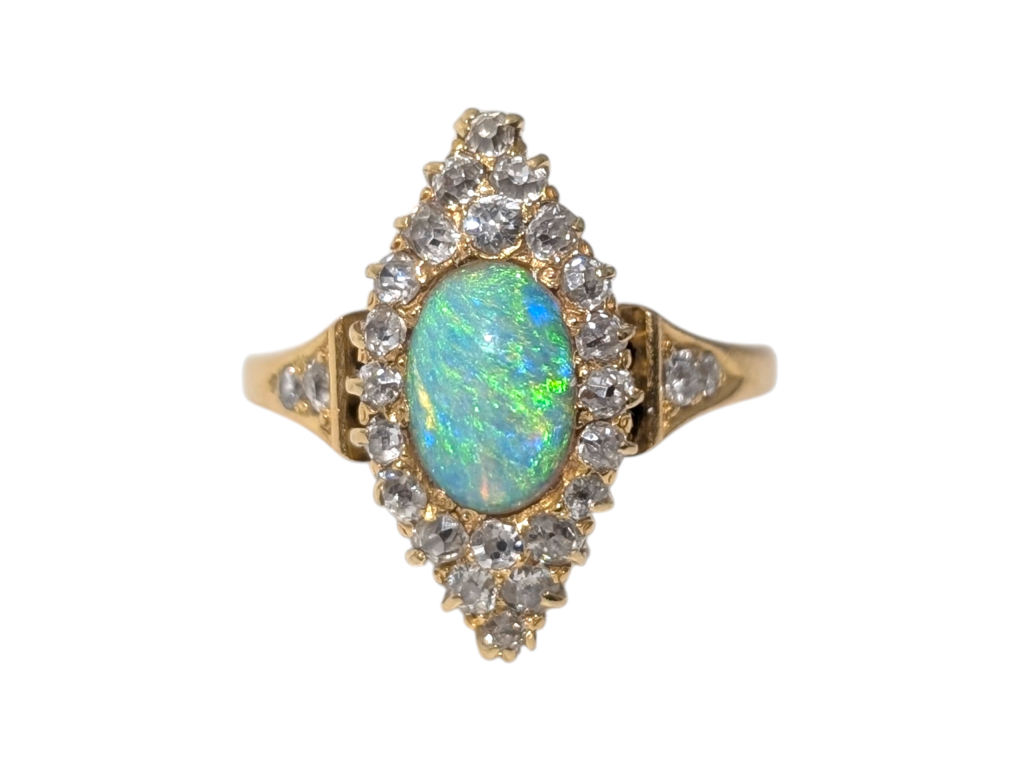
Above is a fine example of one of our late Victorian / early Edwardian 18ct gold navette ring set with a stunning natural opal cabachon and old cut diamonds.

What Is a Navette Style Ring?

The term navette comes from the French word for “little boat,” a direct reference to the long, pointed oval form that defines the design. In jewellery, a navette style ring typically features an elongated setting that tapers to points at either end. This shape is most commonly associated with diamonds and gemstones cut in what is now known as the marquise cut, although earlier examples predate modern cutting techniques.

The navette shape is prized for its ability to make gemstones appear larger than they are, while also flattering the hand by creating the illusion of length and elegance.

Origins of the Navette Design

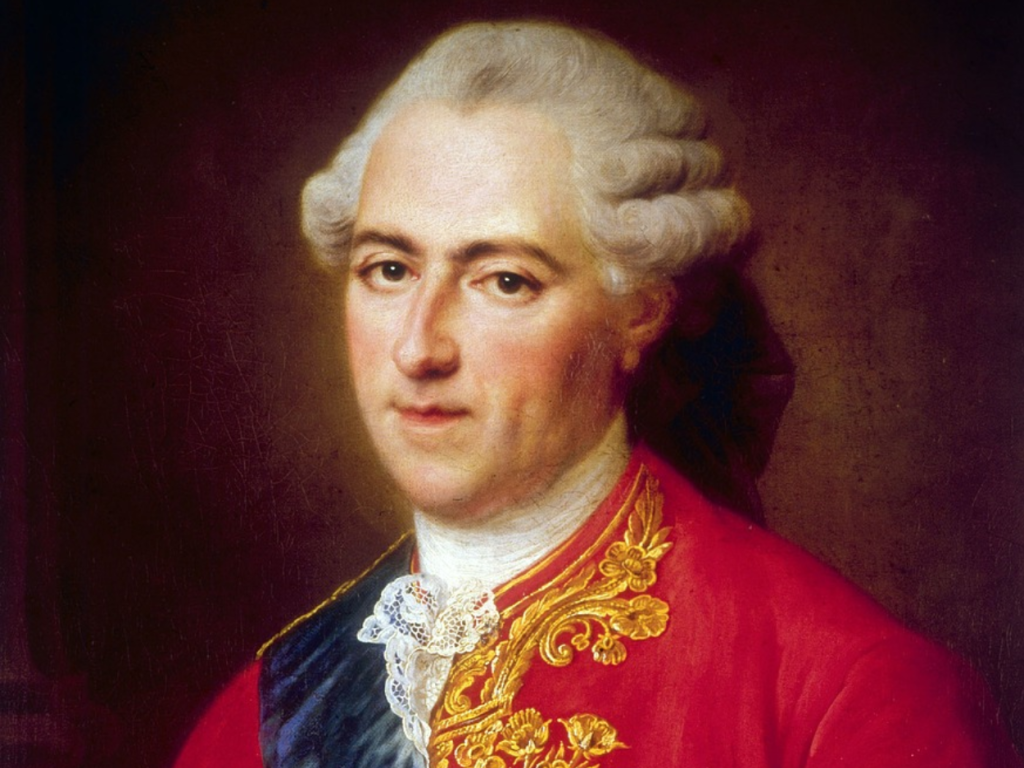
The navette style ring rose to prominence during the 18th century, particularly in France. According to jewellery lore, the marquise-shaped stone was commissioned by King Louis XV, who requested a diamond cut that resembled the smile of his mistress, the Marquise de Pompadour. While the exact origins are debated, there is no doubt that the navette form became deeply associated with French aristocratic taste and courtly refinement.

During the Georgian era, navette rings were often set with rose-cut diamonds and backed with silver over gold — a hallmark of the period’s craftsmanship. These early navette style rings were entirely hand-made, with stones often irregular by modern standards, adding to their charm and individuality.

Popularity Through the Victorian Era

The Victorian period saw the navette style ring flourish further, especially in sentimental and symbolic jewellery. Navette rings were frequently used in cluster designs, sometimes set with diamonds, garnets, emeralds, or pearls. Their elongated shape made them ideal for memorial and romantic jewellery, often incorporating motifs such as flowers, stars, or crescents.

Victorian jewellers also embraced mixed metals and elaborate engraving, giving navette rings a decorative richness that remains highly collectible today. Antique navette style rings from this era often showcase exceptional hand craftsmanship and unique stone arrangements rarely replicated in modern production.

Edwardian and Art Deco Influence

By the Edwardian era, navette style rings became lighter and more refined, often featuring platinum settings and lace-like diamond arrangements. The emphasis shifted toward symmetry, delicacy, and brilliance, with diamonds taking centre stage.

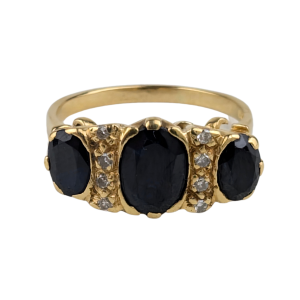
The Art Deco period brought a bold reinterpretation of the navette form. Strong geometry, sharp lines, and contrasting gemstones transformed the navette style ring into a striking statement piece. Sapphire-and-diamond navette rings from this era are particularly sought after, prized for their architectural elegance and timeless appeal.

Why Navette Style Rings Remain So Popular

The enduring appeal of the navette style ring lies in its versatility and visual impact. The elongated shape:

  • Creates a slimming effect on the finger

  • Maximises perceived stone size

  • Works beautifully as a centrepiece or cluster design

  • Transitions effortlessly between antique and modern aesthetics

Whether set as an engagement ring, cocktail ring, or heirloom piece, the navette style ring offers a sense of drama without excess. It is equally at home in minimalist settings and highly ornate designs.

Collecting and Wearing Navette Rings Today

Antique navette style rings are especially prized by collectors for their craftsmanship, rarity, and historical character. Each piece tells a story, reflecting the techniques, materials, and tastes of its time. Modern jewellers continue to reinterpret the navette form, often blending contemporary settings with vintage-inspired cuts.

For those drawn to jewellery with history and personality, the navette style ring represents an ideal balance between elegance and individuality. It is a design that has endured centuries of changing fashion — a true testament to timeless beauty rather than passing trends.

Browse Our Ring Collection

Shopping Cart
0
0
Your Cart
Your cart is emptyReturn to Shop
Scroll to Top