
Custom Antique Style Rings
Create a new ring inspired by the craftsmanship and proportions of antique jewellery, from Victorian and Edwardian influences to Art Deco geometry and old-cut diamond designs.
How It Works
From your period inspiration to the finished ring, we keep the bespoke process clear and simple.
Tell Us Your Idea
Share the period, gemstones, metal and antique pieces or details that inspire you.
Refine the Design
We develop the concept, balancing period character with the gemstones and proportions of your ring.
Receive Your Quote
Once the concept is agreed, we provide a clear quote based on the stones, metal and craftsmanship required.
3D CAD Design
Proceed with a detailed CAD for a $25 non-refundable design fee, deducted from the final bill if the piece goes ahead.
Approve Your Ring
Review the final CAD before production. Once approved, a 40% deposit confirms your order.
Made & Delivered
We show you the finished ring before the remaining 60% is paid and your jewellery is dispatched.
Some of Our Bespoke Creations
Explore a selection of pieces created by us, from the production-ready CAD design through to the finished jewellery.
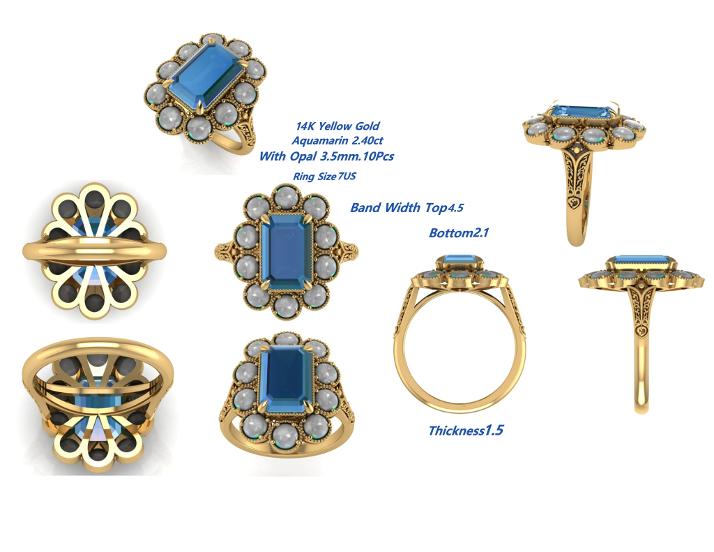 CAD Design
 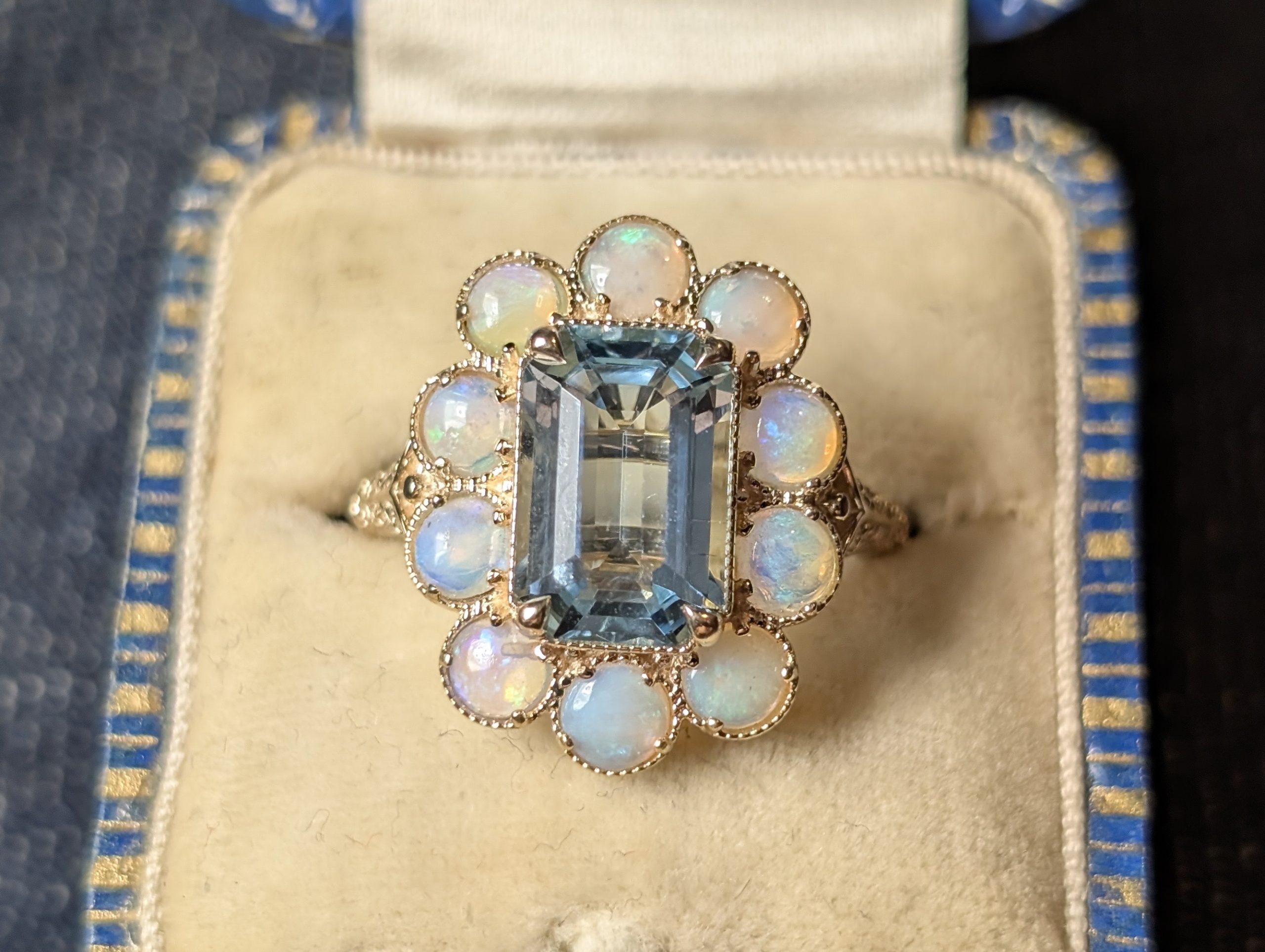 Finished Piece
 Aquamarine & Opal Ring
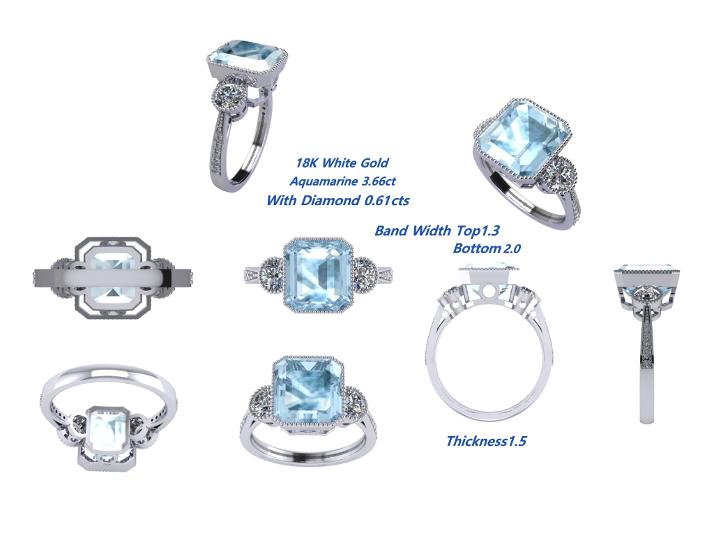 CAD Design
 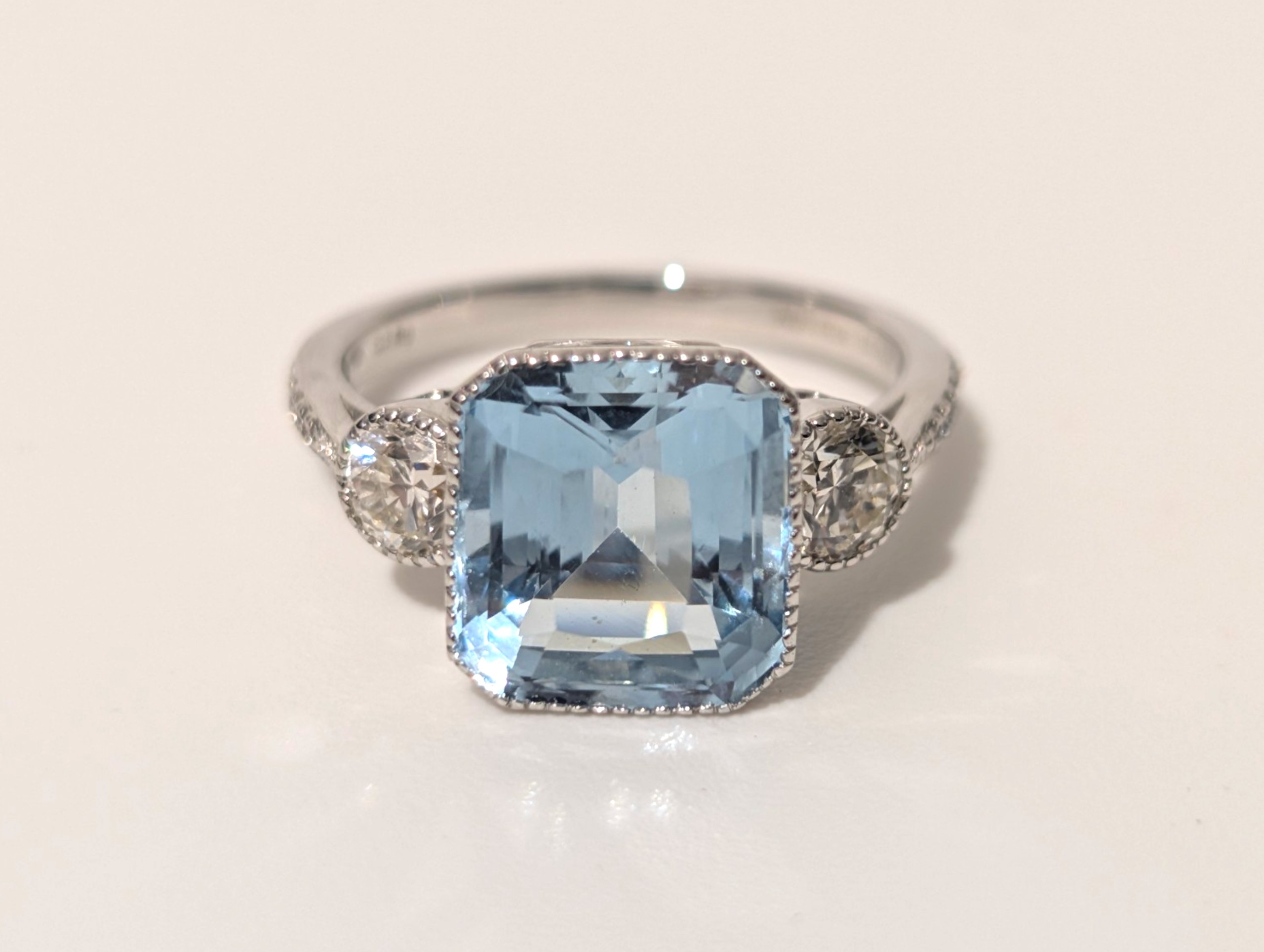 Finished Piece
 Aquamarine & Diamond Ring
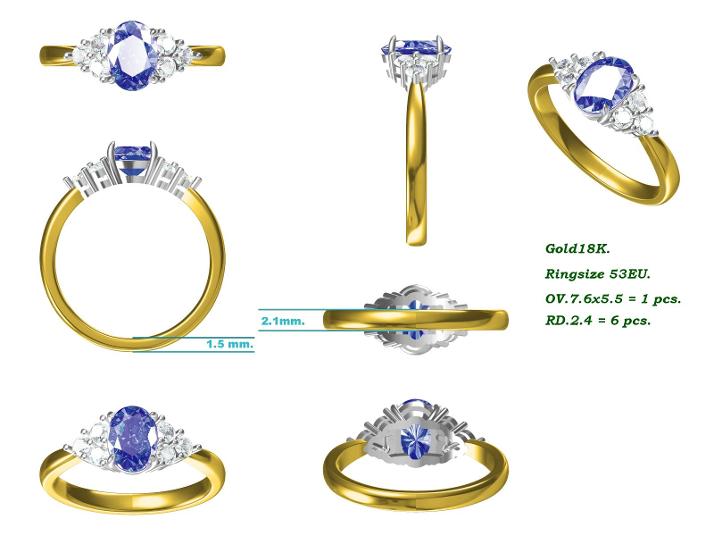 CAD Design
 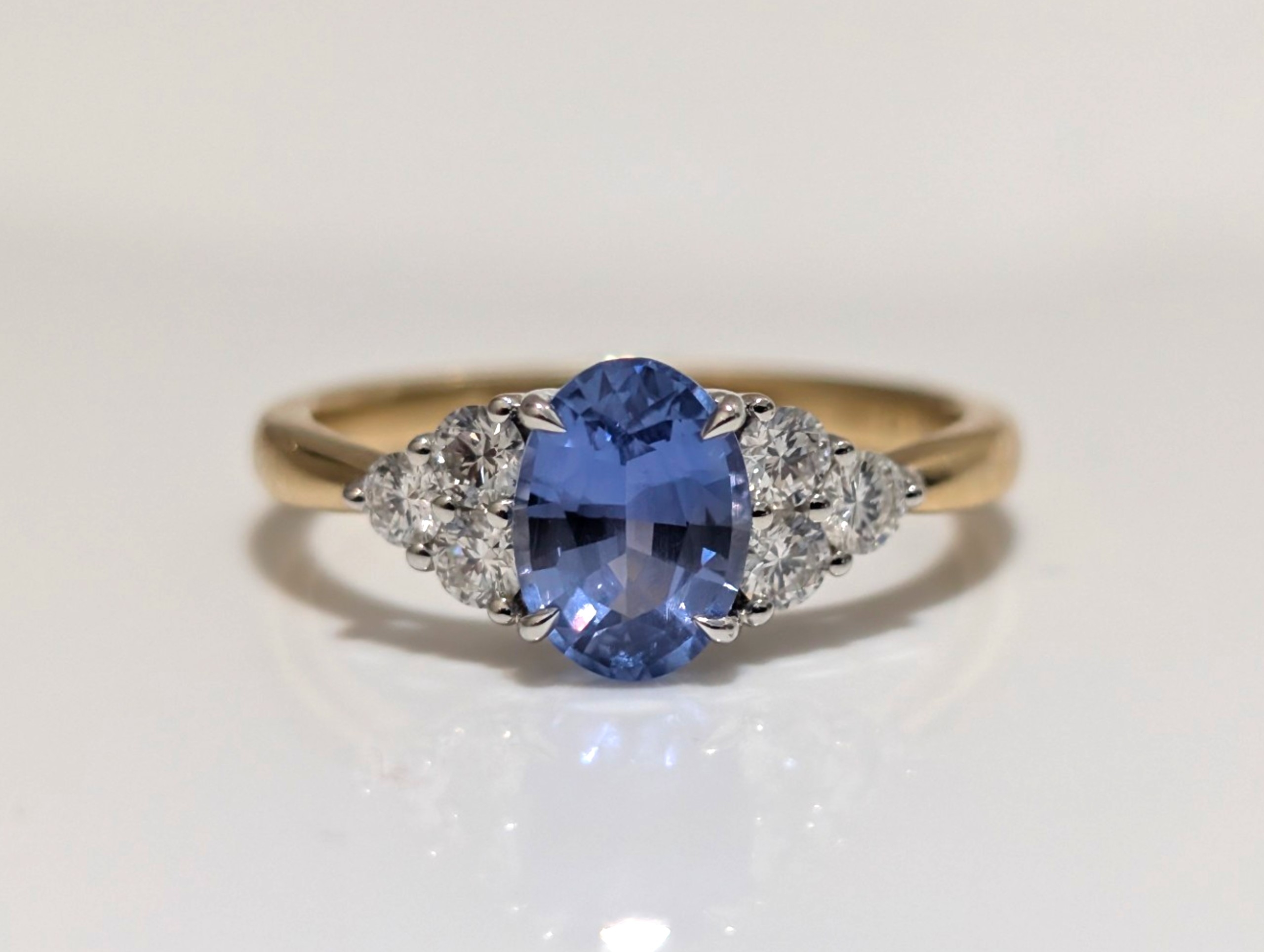 Finished Piece
 Sapphire & Diamond Ring
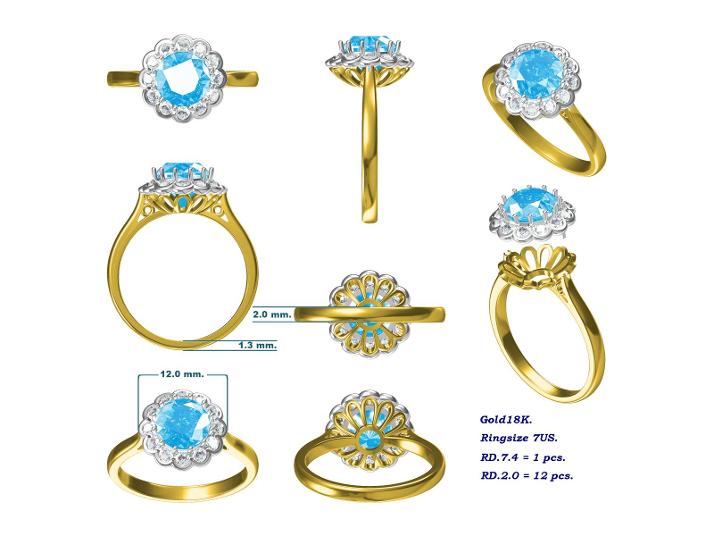 CAD Design
 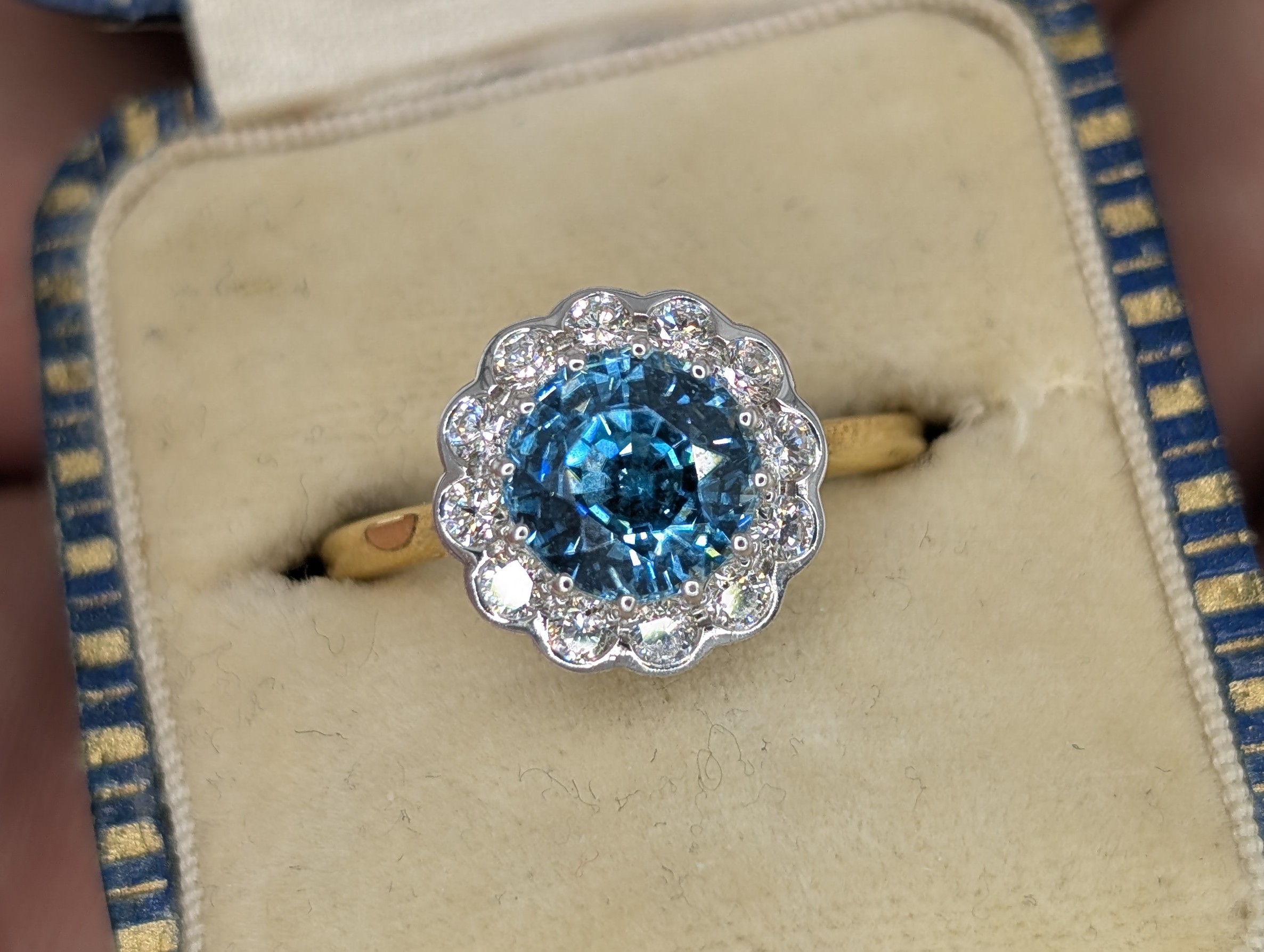 Finished Piece
 Blue Zircon & Diamond Ring
Tell Us About Your Custom Piece
Share your idea below and upload any useful inspiration. We will review your enquiry and contact you to discuss the design, materials, timescale and pricing.
Creating a Custom Antique Style Ring
Antique-inspired jewellery is not about making a new ring look artificially old. The stronger approach is to understand the proportions, stone arrangements and metalwork that give genuine period jewellery its character, then adapt those ideas into a newly made ring.
What Is an Antique Style Ring?
A custom antique style ring is newly made jewellery influenced by designs from an earlier period. It may draw from Victorian, Edwardian, Art Nouveau, Belle Époque or Art Deco jewellery without pretending to be an original antique.
The period influence might come from something obvious, such as a geometric Art Deco diamond border, or something much quieter: an old-fashioned cluster proportion, a particular shoulder shape, milgrain around a stone or the combination of yellow gold with a white diamond setting.
Good antique-inspired jewellery should feel coherent rather than looking like a collection of decorative details added simply to make a new ring appear old.
The aim is not to fake age. It is to understand why a genuine antique ring looks the way it does and use that design language properly in a new piece.
Which Antique Period Suits Your Ring?
Antique jewellery changed considerably between the nineteenth century and the Art Deco era. Choosing a period gives the design a clearer direction, but different influences can also be combined carefully where they work together.
Victorian
Rich yellow gold, substantial clusters, coloured gemstones, decorative shoulders and old-cut diamond inspired settings.
Edwardian
Lighter proportions, fine diamond work, pale metal, delicate detailing and more intricate open designs.
Art Nouveau
Flowing lines, natural motifs, unusual gemstone combinations and a less rigid approach to symmetry.
Art Deco
Strong geometry, symmetry, baguettes, stepped forms, contrasting gemstones and crisp white-metal settings.
Victorian Style Rings
Victorian jewellery covers a long period and cannot be reduced to one ring style. However, richer yellow gold, coloured gemstones and more substantial construction are particularly useful references when creating a Victorian-inspired bespoke ring.
Sapphire, ruby, emerald, opal and garnet can all work naturally in designs influenced by the period. Diamonds may be arranged in clusters, three-stone settings or set directly into heavier gold shoulders.
A Victorian style ring does not need to be ornate. A well-proportioned five-stone ring or gypsy-style setting can reference nineteenth-century jewellery without excessive decoration.
Edwardian Style Rings
Edwardian jewellery generally lends itself to a lighter visual approach. Fine diamond work, pale metal and more delicate construction can make even a relatively substantial centre stone feel refined.
Platinum became increasingly important in fine jewellery of this era, enabling delicate-looking settings and detailed diamond work. Modern bespoke production can take inspiration from those proportions while maintaining an appropriate structure for the finished ring.
Sapphire and diamond, diamond-only designs and pale coloured gemstones can all suit an Edwardian-influenced ring particularly well.
Art Nouveau Inspired Rings
Art Nouveau moves away from the stricter geometry associated with Art Deco. Curving lines, organic shapes and asymmetry can become part of the design rather than something that needs to be corrected.
Opal, moonstone, coloured gemstones and flowing metalwork can work particularly well in this style.
For rings, the influence is often best used with restraint. A shoulder detail, unusual bezel or softly flowing outline can give the piece an Art Nouveau character without making it impractical to wear.
Art Deco Style Rings
Art Deco jewellery provides one of the strongest sources of inspiration for custom rings because its design language translates particularly well into CAD and precision stone setting.
Emerald-cut diamonds and gemstones, baguettes, stepped shoulders, geometric clusters, target rings and contrasting coloured stones can all be used.
Because you already have a dedicated page for this search intent, detailed Art Deco information is kept there rather than duplicated here. See our custom Art Deco style rings page.
Old Cut Diamonds in Antique Style Rings
One of the clearest ways to give a ring genuine antique character is through the style of the diamond itself.
Old mine cuts, old European cuts and other antique diamond cuts can show broader facets, different outlines and deeper proportions than modern brilliant-cut diamonds.
Those differences should not automatically be treated as flaws. The individuality of an older cut is often exactly what makes it attractive in an antique-inspired bespoke ring.
Where genuine old-cut diamonds are used, the setting can be designed around their actual measurements rather than expecting them to fit a modern calibrated mount.
Can Modern Diamonds Be Used?
Yes. An antique style ring does not require antique diamonds. Modern stones can be incorporated successfully when the setting, proportions and surrounding detail establish the period influence.
The result will have a different character from a ring containing old cuts, but it may be the better choice where a customer prefers the appearance of a modern brilliant diamond.
For more general information on bespoke diamond designs, see our custom diamond rings page.
Coloured Gemstones in Antique Inspired Rings
Antique jewellery provides excellent inspiration for coloured gemstones because historical rings frequently used much broader colour combinations than modern diamond-led jewellery.
Sapphire and diamond is particularly effective for Edwardian and Art Deco influenced pieces. Ruby works beautifully in richer Victorian designs, while emerald can suit both nineteenth-century clusters and geometric early twentieth-century settings.
Opal can move the design toward Victorian or Art Nouveau influence, while aquamarine works particularly well in lighter Edwardian, Belle Époque and Art Deco inspired pieces.
Our custom gemstone rings page looks at the wider range of gemstone choices.
Antique Style Sapphire Rings
Sapphire is one of the easiest gemstones to adapt across several antique periods.
An oval sapphire surrounded by diamonds can produce a traditional cluster, while a rectangular stone and baguette diamonds can move the ring firmly toward Art Deco.
Yellow gold can add a Victorian character, while platinum or white gold can produce a lighter Edwardian or geometric appearance.
See our custom sapphire rings page for more sapphire-specific information.
Antique Style Emerald Rings
Emerald brings strong colour and can work equally well in a traditional diamond cluster or a more architectural geometric setting.
Because natural emeralds commonly contain inclusions and fissures, the individual stone also needs to influence the practical construction of the ring.
More detailed information is available on our custom emerald rings page.
Antique Style Ruby Rings
Ruby works particularly well with the richer gold and diamond combinations associated with Victorian-inspired jewellery.
It can also be used very effectively in Art Deco influenced target rings and geometric diamond designs where the red centre or accent stones provide strong contrast.
See our custom ruby rings page for more detailed ruby guidance.
Antique Style Opal Rings
Opal is especially suited to antique-inspired jewellery because its changing play-of-colour works naturally with the richer and more unusual gemstone combinations found in older pieces.
Yellow gold can create a convincing Victorian influence, while flowing forms and unusual accent gemstones can push the design toward Art Nouveau.
Our custom opal rings page covers the practical considerations of designing around opal.
Antique Style Aquamarine Rings
Aquamarine is particularly effective in early twentieth-century inspired jewellery. Its pale blue colour works naturally with platinum, white gold and diamonds.
Larger emerald-cut or cushion aquamarines can also give us the scale needed for substantial Art Deco inspired rings without overwhelming the design with additional stones.
See our custom aquamarine rings page for more.
Milgrain
Milgrain is a fine beaded metal edge often associated with antique and early twentieth-century jewellery.
Used carefully, it can soften the edge of a bezel or diamond border and make a new ring feel less starkly modern.
It should not be added to every antique-inspired design automatically. A heavy Victorian ring may require little or none, while an Edwardian or Art Deco piece may benefit considerably from fine milgrain around selected sections.
Engraving and Decorative Shoulders
Decorative shoulders can give a relatively simple ring much more antique character without making the central setting excessively ornate.
Engraving, pierced-style details, scrolling shapes and small accent stones can all be considered depending on the chosen period.
The strongest designs usually use these details selectively. If every available surface is decorated, the ring can quickly lose the restraint found in many genuine antique examples.
Antique Style Cluster Rings
Cluster rings are one of the most useful formats for antique-inspired custom work. A central gemstone can be framed by diamonds to create an oval, round, scalloped or geometric outline.
Victorian clusters may feel fuller and more substantial, while Edwardian versions can be lighter and more delicate. Geometric clusters naturally move toward Art Deco influence.
The exact size of the surrounding stones has a major impact on how authentic the proportions feel.
Antique Style Trilogy Rings
A three-stone ring is another design that can easily be adapted to different periods.
Three old-cut inspired diamonds in yellow gold can create a strong Victorian character. A coloured centre stone with pale diamond side stones can feel more Edwardian, while baguette or geometric side stones push the same basic concept toward Art Deco.
Because there are only three principal stones, getting their relative sizes right becomes particularly important.
Target Rings
Target rings use contrasting bands or borders of gemstones around a central stone and are strongly associated with early twentieth-century jewellery.
Sapphire, ruby and emerald can all be used to create coloured rings around a diamond centre, or the arrangement can be reversed with a coloured gemstone in the middle.
The design can range from relatively restrained to highly geometric, depending on the width and number of surrounding borders.
Yellow Gold and Antique Style Rings
Yellow gold is an obvious choice for many Victorian-inspired designs because its warmth works naturally with the heavier and richer appearance of nineteenth-century jewellery.
It can also be combined with white metal around diamonds. This gives the shank a warm gold appearance while allowing the setting itself to blend more closely with white stones.
Platinum and White Gold
Platinum and white gold lend themselves particularly well to Edwardian, Belle Époque and Art Deco influence.
Pale metal allows diamonds to dominate visually and can make complex settings appear finer than the same design made entirely in yellow gold.
Metal choice should still follow the overall design rather than being selected simply because one material is associated with a particular era.
Antique Style Engagement Rings
Antique-inspired design is particularly popular for engagement rings because it offers an alternative to the standard modern solitaire without requiring the customer to buy a genuine antique.
A newly made ring can also be designed around a particular finger size, gemstone and lifestyle from the beginning.
Setting height, stone protection and how a wedding band will sit beside the engagement ring can all be considered before production.
For the wider commission process, visit our bespoke engagement rings page.
New Antique Style Ring vs Genuine Antique Ring
Neither is automatically better. They are different purchases.
A genuine antique ring offers age, original workmanship and the individuality that comes from surviving jewellery history. It may also contain old-cut gemstones and construction methods that are difficult to reproduce exactly.
A new antique-inspired ring offers greater control over size, gemstone choice, proportions, metal and the practical construction of the finished piece.
We would not describe a newly made antique-style ring as antique. Its appeal comes from the design influence, not from pretending that it has age it does not possess.
Using a Genuine Antique Ring as Inspiration
Photographs of antique rings are extremely useful during the design stage. You may like the stone arrangement of one piece, the shoulders of another and the finer details of a third.
Those references can help identify what it is about antique jewellery that appeals to you.
The aim does not have to be a millimetre-for-millimetre copy. Often a stronger ring results from taking the essential character of an original design and adapting it to the new gemstone and wearer.
Using an Antique or Heirloom Gemstone
An antique diamond or coloured gemstone can potentially be incorporated into a newly made ring.
This can create an interesting combination: a genuinely old stone set into a new piece designed specifically around it.
Exact dimensions and condition should be considered first. Old stones may have unusual proportions, worn facet edges, chips or other characteristics that affect setting design.
Remodelling an Inherited Ring
If an inherited ring is damaged, impractical or simply not your style, the important stones may potentially be reused in a completely new piece.
A diamond from an old solitaire could become part of a trilogy. A sapphire from a damaged cluster could become the centre of a geometric ring, while several smaller stones might be reorganised into an antique-inspired panel.
This preserves part of the original jewellery without forcing the new wearer to keep a design they would never otherwise choose.
How Much Does a Custom Antique Style Ring Cost?
The cost depends on the centre stone, additional diamonds or gemstones, precious metal and the complexity of the setting.
A relatively restrained three-stone ring may require less work than a detailed geometric cluster containing numerous individually set stones, milgrain and decorative shoulders.
Genuine old-cut diamonds and significant coloured gemstones can also account for a substantial part of the budget.
If you have a target budget, include it with your enquiry. We can then consider the gemstone and setting together instead of designing without reference to the final cost.
Why We Use CAD for Antique Inspired Designs
Antique style is heavily dependent on proportion. The width of a border, scale of surrounding diamonds, height of the centre stone and shape of the shoulders can make the difference between a convincing design and one that merely looks decorative.
CAD allows those proportions to be reviewed before production. It is especially useful when developing a new setting around an irregular old-cut diamond or coloured gemstone.
The detailed 3D CAD carries a $25 non-refundable design fee. If the ring proceeds to production, the $25 is deducted from the final bill.
Approval and Production
You review the detailed CAD before production begins. Once the design is approved, a 40% deposit of the quoted price confirms the commission.
The ring is then made by our workshop. When complete, we show you the finished jewellery before the remaining 60% is paid and the ring is securely dispatched.
Is the finished ring actually antique?
No. These are newly made bespoke rings inspired by antique jewellery. We distinguish clearly between genuine period jewellery and new antique-inspired pieces.
Can you copy an antique ring from a photograph?
A photograph can be used as inspiration and to identify the proportions and details you like. The new design can then be developed around your gemstone, finger size and requirements.
Can you make Victorian style rings?
Yes. Yellow gold, coloured gemstones, clusters, decorative shoulders and old-cut inspired diamond arrangements can all be used to create Victorian-influenced pieces.
Can you make Edwardian style rings?
Yes. Edwardian influence can be introduced through lighter proportions, pale metal, delicate diamond work and finer detailing.
Can you make an Art Deco style ring?
Yes. Geometric layouts, baguettes, stepped shoulders, target settings and milgrain can all be incorporated into an Art Deco inspired commission.
Can you use genuine old cut diamonds?
Potentially, yes. The new setting can be designed around the actual dimensions and individual proportions of an appropriate antique-cut diamond.
Can I use a gemstone from an inherited ring?
Potentially, yes. Its condition and measurements should be considered before the new setting is designed.
How much does the CAD design cost?
The detailed 3D CAD costs $25. The fee is non-refundable, but it is deducted from the final bill if the ring proceeds to production.
When do I pay for my bespoke ring?
A 40% deposit is required after you approve the final CAD. The remaining 60% is paid after you have seen the finished jewellery and before dispatch.
Have an Antique Ring Design in Mind?
Send us the period, gemstones and details you like, or share photographs of antique jewellery that inspires you and we can begin developing your bespoke ring.
Start Your Enquiry