
Bespoke Sapphire and Diamond Rings
Create a sapphire and diamond ring with the colour, stone proportions and setting developed together, from elegant trilogies and clusters to antique and Art Deco inspired designs.
How It Works
We begin with the sapphire and build the diamond arrangement around its actual shape, colour and proportions.
Tell Us Your Idea
Share your preferred sapphire colour, diamond layout, metal, budget and any inspiration images.
Choose & Refine
We refine the sapphire, diamond sizes, stone shapes and proportions until the combination feels balanced.
Receive Your Quote
Once the concept is agreed, we provide a clear quote based on the sapphire, diamonds, metal and design.
3D CAD Design
Proceed with a detailed CAD for a $25 non-refundable design fee, deducted from the final bill if the piece goes ahead.
Approve Your Ring
Review the final CAD before production. Once approved, a 40% deposit confirms your order.
Made & Delivered
We show you the finished ring before the remaining 60% is paid and your jewellery is dispatched.
Some of Our Bespoke Creations
Explore a selection of pieces created by us, from the production-ready CAD design through to the finished jewellery.
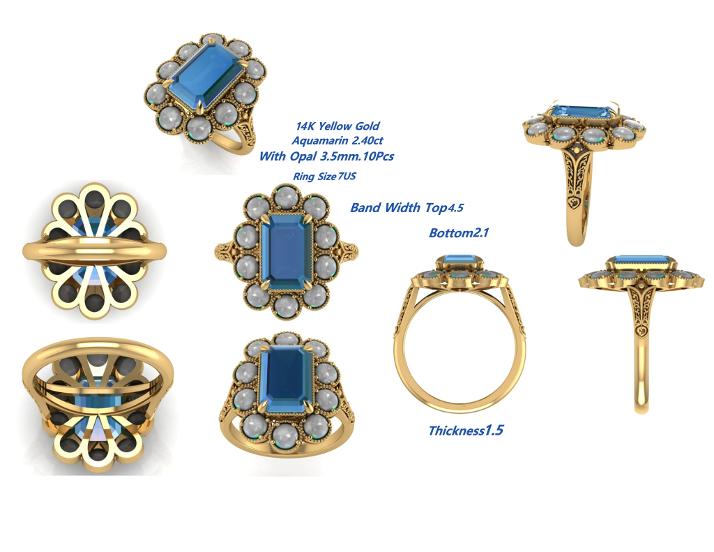 CAD Design
 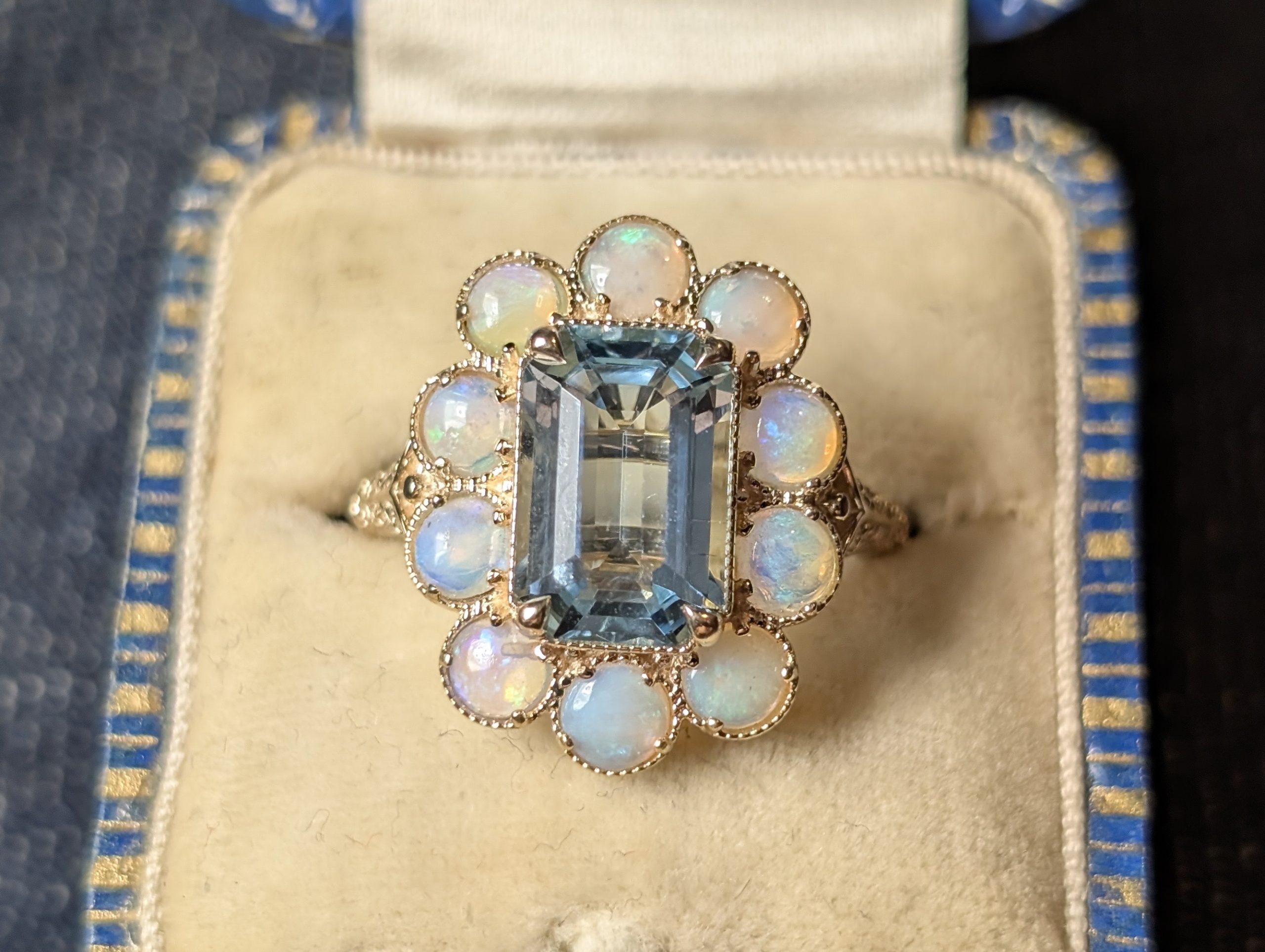 Finished Piece
 Aquamarine & Opal Ring
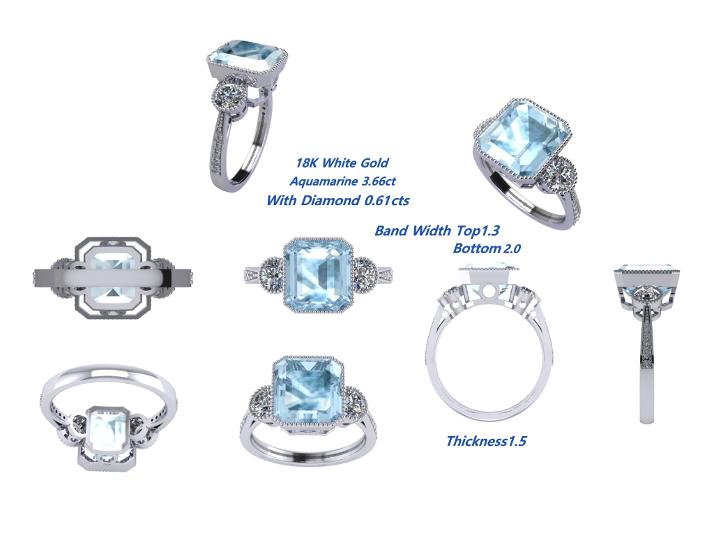 CAD Design
 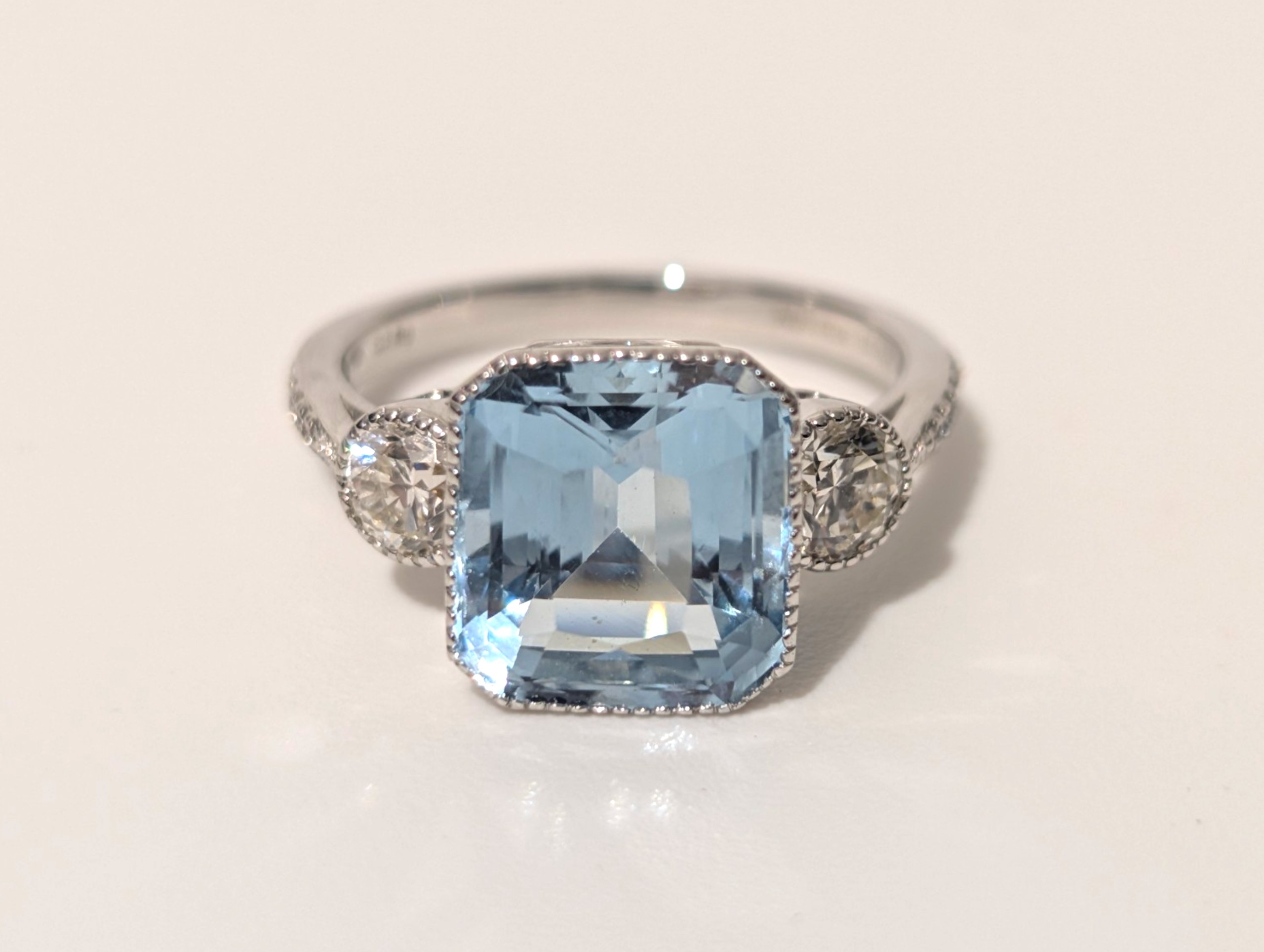 Finished Piece
 Aquamarine & Diamond Ring
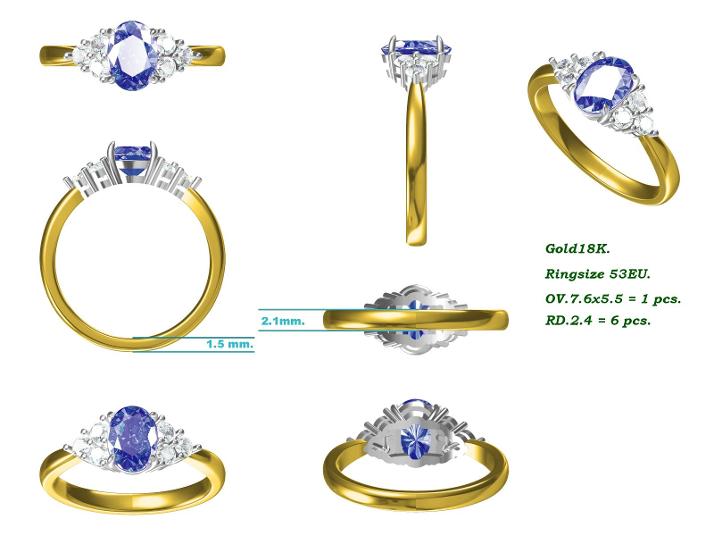 CAD Design
 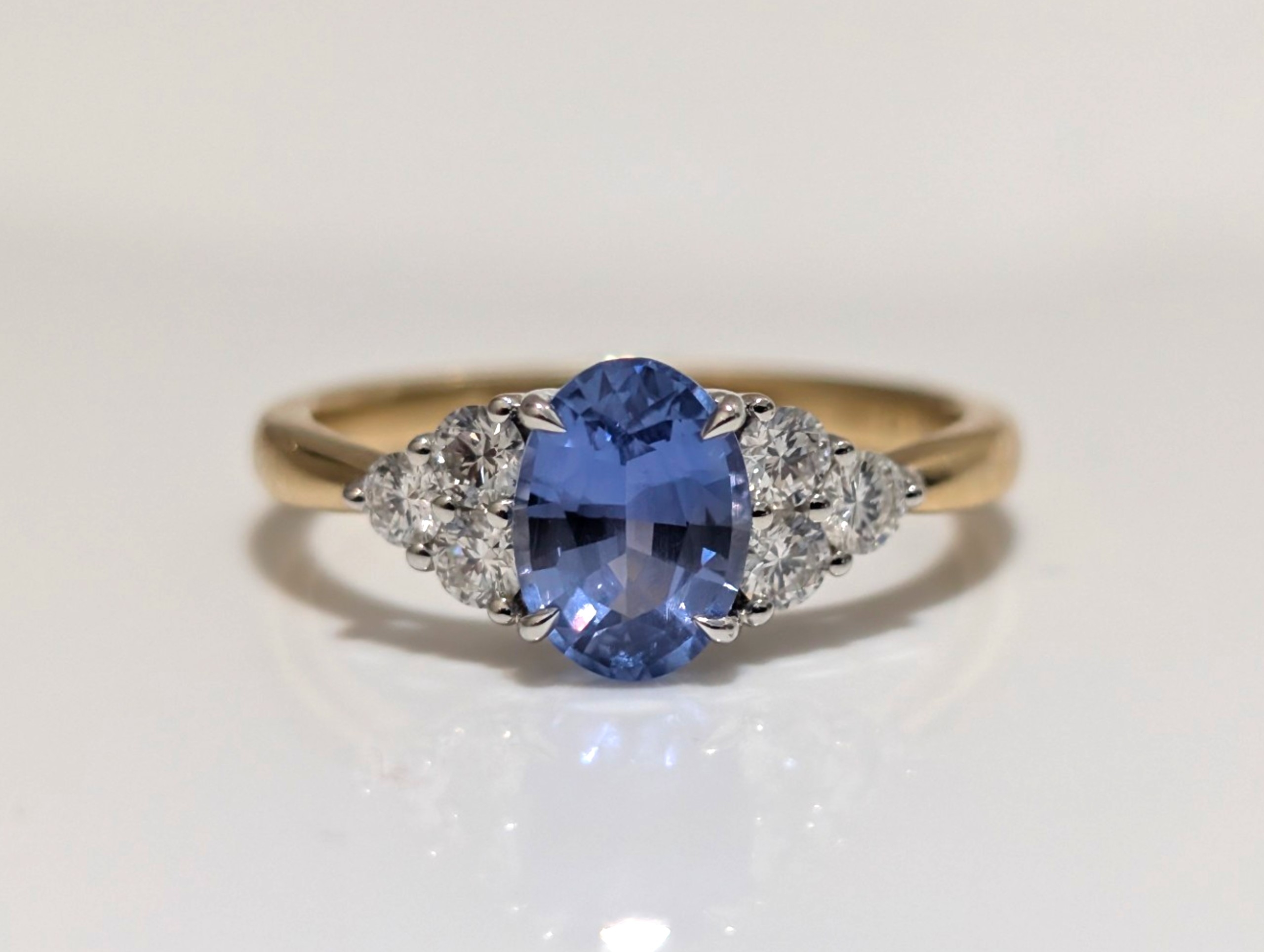 Finished Piece
 Sapphire & Diamond Ring
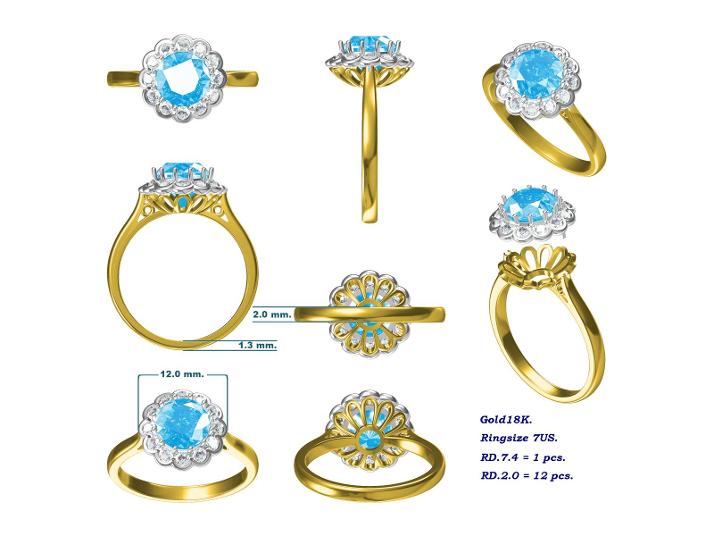 CAD Design
 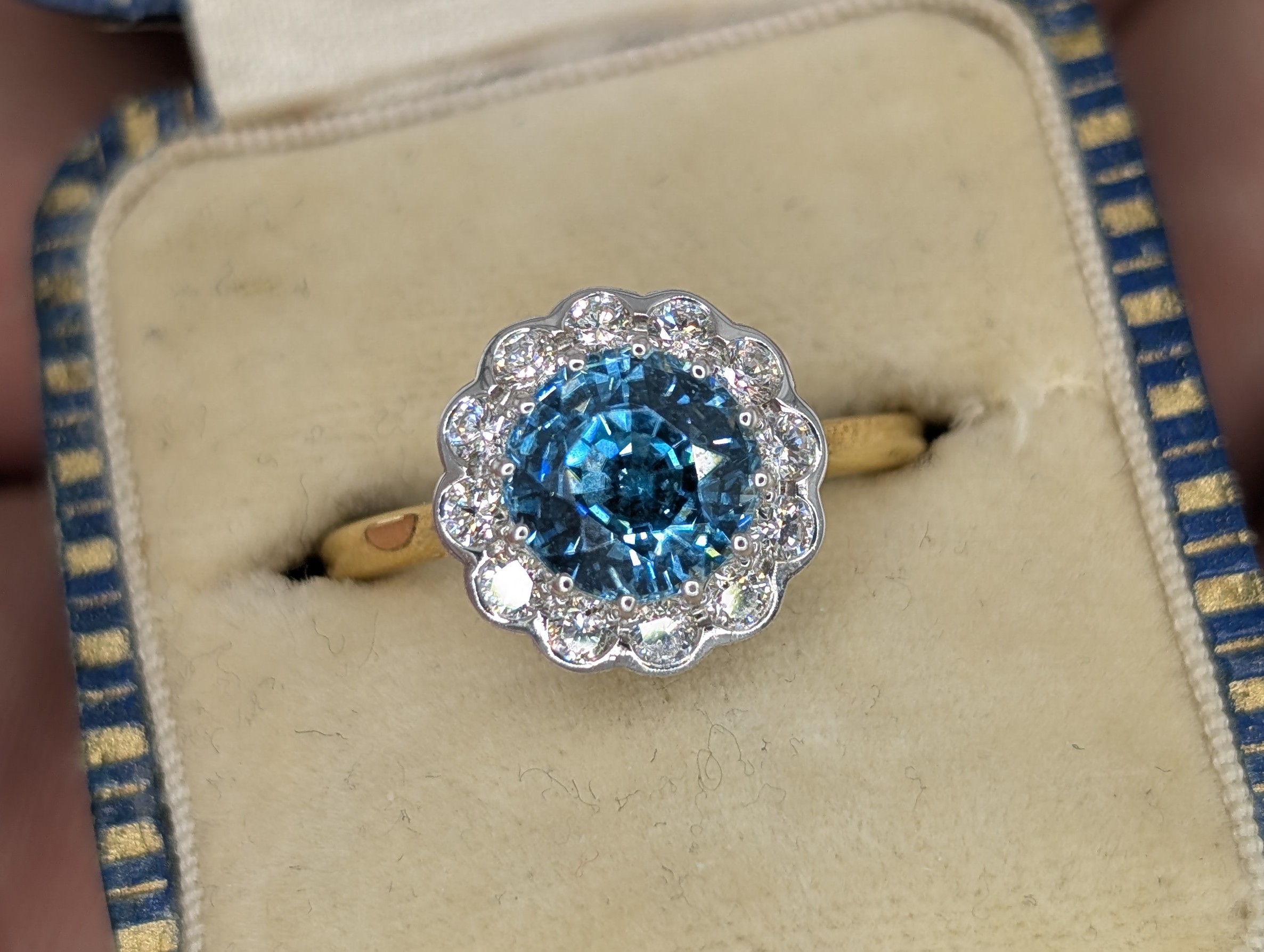 Finished Piece
 Blue Zircon & Diamond Ring
Tell Us About Your Custom Piece
Share your idea below and upload any useful inspiration. We will review your enquiry and contact you to discuss the design, materials, timescale and pricing.
Designing a Bespoke Sapphire and Diamond Ring
Sapphire and diamond is one of the most versatile combinations in fine jewellery. The sapphire provides colour and individuality, while diamonds can introduce contrast, brightness and structure around it. The strongest designs begin with the actual sapphire and build the diamond arrangement around its proportions.
Why Sapphire and Diamond Work So Well Together
Sapphire has enough colour to remain visually distinct even when surrounded by bright diamonds. That makes the combination suitable for everything from restrained three-stone rings to substantial antique-inspired clusters.
The diamonds can play very different roles. Two side stones may simply frame the sapphire. A fine halo can define its outline. A broader cluster can transform the overall footprint of the ring, while baguettes can introduce strong geometric lines.
The important part is deciding how much visual weight should remain with the sapphire and how much should be given to the diamonds.
The best sapphire and diamond rings are not designed as a sapphire plus some diamonds. The stones should be proportioned as one complete composition from the beginning.
Choosing the Sapphire First
In most bespoke sapphire and diamond rings, the centre sapphire should be selected before the final diamond arrangement is fixed.
Two sapphires of the same carat weight can have very different measurements. One may be long and shallow, while another is compact and deep. Those differences affect the ideal size and position of surrounding diamonds.
Colour also matters. A brighter medium-blue sapphire may need only restrained diamond accents, while a deeper stone can benefit from a stronger white surround.
For a broader guide to sapphire selection, see our custom sapphire rings page.
Blue Sapphire and Diamond Rings
Blue remains the classic choice, but there is considerable variation within the colour.
Some sapphires are lighter and more open, while others have rich, saturated blue. Very dark stones may lose visible colour in lower light, so deeper does not automatically mean better.
White diamonds provide a useful reference point beside blue sapphire, making the colour contrast particularly noticeable in trilogy and cluster designs.
Fancy Coloured Sapphire and Diamond Rings
Sapphire is not limited to blue. Pink, yellow, green and other fancy-coloured sapphires can also work beautifully with diamonds.
A pink sapphire and diamond cluster can feel completely different from a traditional blue sapphire ring, while yellow sapphire can create a warm contrast with white diamonds and yellow gold.
The setting can be developed around the individual colour rather than treating every sapphire ring as a variation of the same blue design.
Choosing the Sapphire Shape
Oval Sapphire
Extremely versatile and well suited to diamond clusters, halos, trilogies and antique-inspired designs.
Cushion Sapphire
Softer corners create a natural fit with old-cut diamonds, antique-inspired clusters and more substantial surrounds.
Emerald-Cut Sapphire
Straight lines and step facets work particularly well with baguette diamonds, trilogies and Art Deco inspired settings.
Round Sapphire
Balanced and adaptable for traditional clusters, target rings, three-stone designs and simpler diamond surrounds.
Sapphire and Diamond Trilogy Rings
A sapphire and diamond trilogy is one of the cleanest ways to combine the two gemstones.
The sapphire remains the obvious centre while two diamonds introduce brightness and width. The choice of diamond shape changes the ring considerably.
Round diamonds create a traditional three-stone arrangement. Pear-shaped diamonds can taper elegantly toward the shoulders. Baguettes and tapered baguettes produce a cleaner geometric appearance.
Cushion and oval side diamonds can create a softer antique-inspired combination where a broader presence is desired.
Getting Trilogy Proportions Right
Side stones should not be selected simply according to a fixed carat-weight formula.
The visible face-up dimensions of the sapphire matter much more. A broad one-carat sapphire may need larger side diamonds than a deeper stone of similar weight.
The angle of the side stones also affects the transition into the shank. Slightly turned pear or tapered side stones can create a more natural flow than three stones sitting in a completely straight line.
Sapphire and Diamond Cluster Rings
A cluster places diamonds around much or all of the sapphire, creating significantly more visual presence.
Traditional oval clusters remain popular, but bespoke work allows much greater variation. Cushion sapphires can be surrounded by individually proportioned diamonds, while rectangular centres can be given more angular borders.
Graduating the diamonds can also create a less uniform and more antique-inspired result than using identical stones around the entire centre.
Diamond Halo vs Diamond Cluster
A halo and cluster are related but can produce quite different effects.
A fine halo typically uses smaller diamonds to trace the shape of the sapphire closely. A cluster gives the surrounding stones more individual presence and can produce a broader outline.
If the centre sapphire is already large, a fine halo may give enough definition without making the ring excessively wide. A smaller sapphire may benefit from the additional scale of a fuller cluster.
Double Halo Sapphire and Diamond Rings
A double halo can create substantial finger coverage, but it needs to be approached carefully in bespoke work.
Two diamond borders around a strongly coloured sapphire can be striking, but excessive width may overwhelm the centre stone and make the ring less practical.
The CAD stage allows the overall diameter to be reviewed before the number of surrounding stones is finalised.
Sapphire and Baguette Diamond Rings
Baguette diamonds create a particularly clean contrast with sapphire.
Their straight lines can reinforce an emerald-cut centre, form stepped shoulders or act as understated side stones beside an oval or cushion sapphire.
Because baguettes reflect light differently from round brilliant diamonds, the result tends to feel more architectural and less glitter-heavy.
Sapphire and Old Cut Diamond Rings
Genuine old-cut diamonds can give a sapphire ring a very different character from modern brilliant-cut diamonds.
Their broader facets and individual outlines work especially well in Victorian and Edwardian inspired designs.
A cushion sapphire with old mine-cut side diamonds can create a much softer appearance than the same centre with modern round brilliants.
Because antique diamonds are often individually proportioned, the setting should be developed around the actual stones.
Modern Brilliant Diamonds
Modern brilliant cuts can also work beautifully with sapphire, particularly where high diamond brightness and consistent matching are desired.
They can be used in fine halos, larger clusters or as substantial trilogy side stones.
There is no requirement to use antique diamonds simply because the finished ring takes inspiration from an older period.
For wider diamond design guidance, see our custom diamond rings page.
Art Deco Sapphire and Diamond Rings
Sapphire and diamond is particularly well suited to Art Deco inspired design.
Strong blue against white diamonds and pale metal creates natural colour contrast, while baguettes, stepped borders and geometric shapes reinforce the architectural character.
An emerald-cut sapphire might be flanked by tapered baguettes, while an oval stone can sit within an angular target-style surround.
For designs where Art Deco is the main influence, see our custom Art Deco style rings page.
Victorian Sapphire and Diamond Rings
Victorian inspiration usually creates a richer and more metal-led interpretation of the sapphire and diamond combination.
Yellow gold, old-cut diamonds, fuller clusters and more substantial shoulders can all be incorporated.
Alternating sapphire and diamond five-stone rings are another particularly strong nineteenth-century inspired option.
See our custom Victorian style rings page for more detailed period inspiration.
Edwardian Sapphire and Diamond Rings
Edwardian influence moves the combination toward finer diamond work, pale metal and lighter visual proportions.
A sapphire may sit inside a delicate diamond cluster with fine milgrain, or be paired with two diamonds in a restrained platinum trilogy.
Open space and finer shoulders can help the overall ring appear lighter than a Victorian-style equivalent.
See our custom Edwardian style rings page for more.
Vintage Sapphire and Diamond Rings
Mid-century and later vintage jewellery can provide a different direction again, particularly for broader clusters and stronger diamond layouts.
A sapphire can be surrounded by a generous diamond border or placed within a ballerina-style arrangement using tapered stones.
For wider twentieth-century inspiration, visit our custom vintage style rings page.
Sapphire and Diamond Engagement Rings
The combination is particularly well suited to engagement rings because sapphire has good hardness and diamonds can be used to create almost any level of additional presence.
A trilogy can remain practical and restrained, while a cluster or target ring can create a much stronger period-inspired statement.
For an engagement ring, setting height, wedding-band fit and the wearer's lifestyle should be considered alongside appearance.
Our custom sapphire engagement rings page covers these considerations in greater detail.
Sapphire and Diamond Anniversary Rings
The combination does not need to be reserved for engagement jewellery.
A sapphire and diamond trilogy, five-stone band or cluster can make a substantial anniversary ring, particularly where a customer wants something more individual than an all-diamond design.
Because there is no requirement to coordinate the setting with a wedding band, the design can sometimes be broader or more sculptural.
Yellow Gold Sapphire and Diamond Rings
Yellow gold gives blue sapphire considerably more warmth and contrast.
It works especially well with antique and Victorian-inspired designs, where visible gold is intended to form part of the character of the ring.
The diamond settings can remain yellow or be created in white metal to keep the diamonds visually brighter.
White Gold Sapphire and Diamond Rings
White gold creates a cooler overall appearance and allows the diamond settings to blend visually into the stones.
This is especially effective in halos, clusters and geometric designs where the sapphire should provide almost all of the visible colour.
Platinum Sapphire and Diamond Rings
Platinum is particularly effective in diamond-intensive sapphire designs.
It works naturally with Art Deco and Edwardian influences and can be used for fine settings where the pale metal should visually recede around the gemstones.
Two-Tone Sapphire and Diamond Rings
A two-tone ring can combine a yellow gold shank with a white gold or platinum-coloured upper setting.
This retains warmth through the band while keeping the diamonds in pale metal and providing a clean transition around the blue sapphire.
The combination can be particularly effective in antique-inspired cluster and trilogy designs.
Heated and Unheated Sapphire
Heat treatment is common in natural sapphire and has long been used to improve suitable material.
An attractive heated sapphire can make an excellent centre stone. Fine unheated material may command a premium where its natural colour, quality and treatment status are appropriately documented.
Treatment status alone should not replace visual assessment. An unheated stone is not automatically more beautiful than a heated one.
Sapphire Origin
Geographic terms such as Ceylon or Sri Lankan sapphire may be important to some customers, but origin cannot reliably be established simply by looking at colour.
Sapphires from different locations can overlap significantly in appearance.
Where a particular geographic origin materially affects the price, appropriate laboratory evidence should support the claim.
Does the Sapphire Need a Laboratory Report?
Not every sapphire requires one, but an independent gemmological laboratory report can be useful for more significant stones.
Depending on the laboratory and service, the report may address natural identity, detected treatment and sometimes provide an opinion on origin.
The report does not tell you whether the sapphire has the most attractive colour or cut for your ring. Those qualities still need to be judged from the actual stone.
How White Should the Diamonds Be?
Diamond colour becomes particularly noticeable when the stones sit directly beside a strongly coloured sapphire.
However, choosing the highest possible colour grade is not automatically necessary for every design. Cut quality, brightness, matching and the colour of the surrounding metal all influence appearance.
The side stones or halo should be selected as a group rather than simply comparing individual grading numbers.
Matching the Diamonds
In a trilogy or symmetrical cluster, matching the diamonds visually can be more important than achieving identical paper specifications.
Diameter, outline, brilliance and how the stones look beside the sapphire all affect the finished ring.
This becomes particularly important when genuine old-cut diamonds are used, because perfect uniformity is often neither realistic nor desirable.
Carat Weight vs Visible Size
Carat is a measure of weight, not a direct measure of how large a gemstone appears on the hand.
A sapphire can carry substantial depth beneath the setting, while another of similar weight may spread wider across the finger.
The same principle applies to diamonds. Millimetre dimensions are therefore extremely important when balancing a sapphire with its side stones or surrounding cluster.
Can You Use a Sapphire I Already Own?
Potentially, yes. An existing loose sapphire can become the starting point for a completely new diamond setting.
Exact length, width and depth should be measured before finalising the diamond proportions.
If the sapphire has previously been mounted, its condition should also be considered before resetting.
Using Your Own Diamonds
Existing diamonds may also potentially be incorporated into a new design.
This can work especially well with inherited stones where a pair of diamonds can flank a new sapphire, or several smaller stones can be reorganised into a cluster.
Their dimensions, condition and compatibility with the intended design should be assessed before the layout is finalised.
Remodelling an Heirloom Sapphire and Diamond Ring
A dated or damaged ring does not necessarily mean the gemstones themselves need to be replaced.
A sapphire from an older cluster could become the centre of a cleaner trilogy. Old diamonds could be rearranged around a new sapphire, or an inherited three-stone ring could be redesigned with different proportions and metal.
This allows the sentimental stones to remain while creating jewellery better suited to the current wearer.
How Much Does a Bespoke Sapphire and Diamond Ring Cost?
The cost depends primarily on the sapphire, the quantity and size of the diamonds, precious metal and complexity of the setting.
A simple sapphire with two modest side diamonds can be considerably less complex than a large platinum cluster containing numerous matched stones.
Fine unheated sapphires, significant natural diamonds and unusual shaped diamonds can also materially affect the budget.
Giving us a realistic target budget from the beginning allows the centre sapphire and diamond setting to be balanced together.
Spend More on the Sapphire or the Diamonds?
There is no universal answer.
Some customers want the strongest sapphire they can reasonably obtain and prefer two modest side diamonds. Others are happier with a smaller centre stone if it allows for a substantial diamond cluster.
A bespoke ring allows that balance to be decided deliberately rather than accepting the proportions of a ready-made setting.
Why CAD Matters for Sapphire and Diamond Rings
Sapphire and diamond designs depend heavily on relative stone size. A few tenths of a millimetre can make a noticeable difference when several stones sit closely together.
CAD allows us to review the width of the ring, diamond proportions, sapphire position, setting height, shoulder transition and overall balance before production begins.
This is particularly useful for trilogies, clusters and geometric period-inspired designs.
The detailed 3D CAD carries a $25 non-refundable design fee. If the commission proceeds, the $25 is deducted from the final bill.
Approval and Production
You review the final CAD before committing to production. Once approved, a 40% deposit of the quoted price confirms the commission.
Your sapphire and diamond ring is then created by our workshop. Once complete, we show you the finished jewellery before the remaining 60% is paid and the ring is securely dispatched.
Can you source both the sapphire and diamonds?
The stones can form part of the bespoke process. Tell us your preferred sapphire colour, shape, approximate size, ring style and overall budget so the combination can be developed accordingly.
Can you make a sapphire and diamond trilogy ring?
Yes. Round, pear, baguette, tapered baguette and other suitable diamond shapes can be considered around the sapphire centre.
Can you make a sapphire and diamond cluster?
Yes. The diamond surround can range from a fine halo to a substantial antique-inspired cluster, depending on the sapphire and the desired overall proportions.
Can you use old-cut diamonds?
Potentially, yes. Genuine antique-cut diamonds can be incorporated into a new setting designed around their individual dimensions.
Can I use my own sapphire or diamonds?
Potentially, yes. Their exact measurements and condition should be considered before the new setting is designed.
Can you make an antique style sapphire and diamond ring?
Yes. Victorian, Edwardian, Art Deco and broader vintage influences can all be used depending on the stone combination and proportions you prefer.
Does the sapphire have to be blue?
No. Pink, yellow, green and other fancy-coloured sapphires can also be combined with diamonds in bespoke ring designs.
Does a sapphire need a laboratory report?
Not every sapphire requires one, but appropriate documentation can be useful for significant stones where treatment status or claimed geographic origin materially affects the purchase.
How much does the CAD design cost?
The detailed 3D CAD costs $25. The fee is non-refundable, but it is deducted from the final bill if the ring proceeds to production.
When do I pay for my ring?
A 40% deposit is required after you approve the final CAD. The remaining 60% is paid after you have seen the finished jewellery and before dispatch.
Have a Sapphire and Diamond Ring in Mind?
Tell us the sapphire colour and shape you prefer, the diamond layout you like and your target budget, or send inspiration images and we can begin developing your bespoke ring.
Start Your Enquiry